
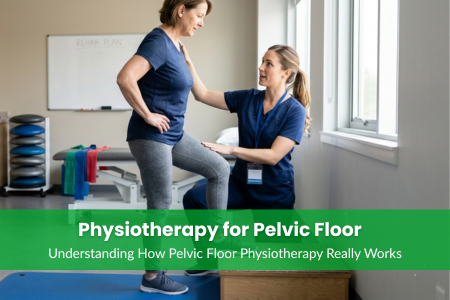
Understanding Pelvic Floor Physiotherapy: More Than Just Kegel Exercises
Most people have heard the advice: "Just do your Kegels." While pelvic floor exercises have their place, pelvic floor physiotherapy is a far more nuanced discipline than squeezing and releasing a muscle group. At Waterfront Physio & Rehab in Etobicoke, we work with patients who have done months of Kegels — only to find their symptoms haven't improved, or have gotten worse.
Understanding why that happens starts with understanding what the pelvic floor actually does.
Why Does Pelvic Floor Health Matters?
The pelvic floor is a group of muscles, ligaments, and connective tissues that form the base of your pelvis. Think of it as a hammock that supports your bladder, bowel, and uterus (in those who have one). These muscles play a role in nearly every function you perform throughout the day.
When the pelvic floor is functioning well, it:
- Controls the release of urine and stool
- Supports pelvic organs during physical activity
- Contributes to core stability alongside your deep abdominal and back muscles
- Plays a role in sexual function and comfort
- Adapts dynamically to changes in pressure — like coughing, sneezing, or lifting
When something disrupts this system, the effects can extend well beyond the pelvis. Lower back pain, hip discomfort, and difficulty with exercise can all have a pelvic floor component.
Why Pelvic Floor Physiotherapy Is More Than Kegels?
Here is where the conversation gets important.
Kegel exercises — contracting and lifting the pelvic floor muscles are appropriate when the muscles are weak and need strengthening. But pelvic floor dysfunction doesn't always look like weakness.
The Problem With a One-Size-Fits-All Approach
For some people, the pelvic floor muscles are actually too tight. Chronic tension, guarding, or hypertonicity in the pelvic floor can cause pain, difficulty with bladder emptying, or discomfort during sexual activity. Doing Kegels in this case is like adding tension to an already clenched fist — it makes things worse, not better.
Effective pelvic floor physiotherapy addresses:
- Muscle weakness or underactivity where strengthening is the goal
- Muscle overactivity or tension where relaxation, breathing strategies, and manual therapy are more appropriate
- Coordination issues where the muscles aren't activating and releasing at the right moments
This is why a proper pelvic floor assessment matters so much. Without knowing the actual state of your pelvic floor, you're guessing — and guessing can delay real progress.
Common Situations Where Pelvic Floor Physiotherapy May Help
Pelvic floor physiotherapy is relevant for a much broader range of people than many realize. It is not exclusively a women's health issue, and it is not limited to the postpartum period.
- Bladder and bowel concerns: Leaking urine when you cough, sneeze, laugh, or exercise is common — but it isn't something you simply have to accept. Urgency, frequency, and difficulty fully emptying the bladder can also relate to pelvic floor muscle function.
- Pelvic pain: Persistent pain in the pelvic region, tailbone, hips, or during intercourse may involve pelvic floor tension or dysfunction. These are symptoms that respond well to specialized physiotherapy when properly assessed.
- Pregnancy and postpartum recovery: During pregnancy, the pelvic floor is under increasing load. After delivery — whether vaginal or by caesarean, the body has gone through significant change. Pelvic floor physio can help with recovery of strength, tissue healing, return to exercise, and addressing symptoms like leakage or pelvic heaviness.
- Core and pelvic pressure: A sensation of heaviness or pressure in the pelvic region, or difficulty rebuilding core strength after pregnancy or surgery, can point to pelvic floor involvement.
- Men's pelvic health: Men experience pelvic floor dysfunction too including after prostate surgery, with urinary urgency, or with chronic pelvic pain. It's an evidence-supported area of treatment that remains underutilized.
What to Expect During a Pelvic Floor Assessment?
A pelvic floor assessment at our clinic begins with a thorough conversation. Your therapist will ask about your symptoms, history, and goals before any physical examination takes place.
The physical assessment may include observation of posture and movement, abdominal and hip muscle evaluation, and — where appropriate and consented to — an internal examination. This allows your therapist to directly assess the tone, strength, and coordination of the pelvic floor muscles in a way that no external assessment can replicate.
Everything is explained clearly, performed with your full consent, and adapted to your comfort level. From there, your therapist develops a personalized treatment plan that reflects what your pelvic floor actually needs.
When to Consider Seeking Help?
If any of the following apply to you, a pelvic floor assessment may be worth pursuing:
- Leaking urine with activity, urgency, or at night
- Pelvic heaviness or pressure
- Pelvic pain that hasn't resolved on its own
- Pain during or after intercourse
- Difficulty returning to exercise after pregnancy
- Unexplained lower back or hip pain alongside pelvic symptoms
Symptoms affecting daily life deserve professional attention. The longer they go unaddressed, the more they can interfere with activity, confidence, and overall wellbeing.
Take the Next Step
If you've been living with pelvic floor symptoms — or you're simply not sure where to start — book a free 15-minute consultation with our team. It's an opportunity to ask questions, understand your options, and find out whether pelvic floor physiotherapy is right for you.
At Waterfront Physio & Rehab, our licensed physiotherapists provide one-on-one, individualized care for patients across Etobicoke, Toronto's west end, and the surrounding communities. We also offer direct billing to most major insurance providers, so getting started is straightforward.
Call us today at 416-252-4855 — and take the first step toward understanding what your body actually needs.