

Preparing for Surgery and Recovery: What Physiotherapy Can Really Do?
Surgery has a way of taking over your thoughts in the weeks leading up to it. Between appointments, questions for your surgeon, and wondering what recovery will actually be like, it’s easy to focus entirely on the procedure itself. What often gets less attention is the role physiotherapy can play both before and after the operation, even though it can shape how smoothly the whole experience goes.
If you’re in Etobicoke and facing a knee replacement, shoulder surgery, ACL reconstruction, or another orthopedic procedure, understanding where physiotherapy fits into your recovery journey can make the weeks before and after surgery feel much more manageable.
Why Preparing Your Body Before Surgery Matters?
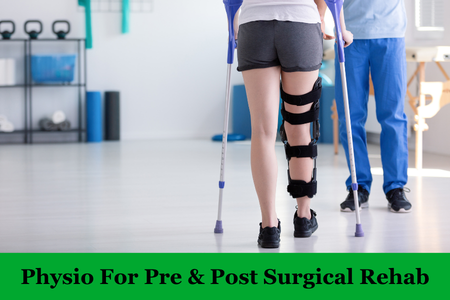
Most people assume rehab starts after the operation. In reality, some of the most useful work happens beforehand. This is often called prehabilitation, or prehab, and the idea is simple: the stronger and more mobile your body is going into surgery, the more capacity it has to handle the recovery that follows.
What Pre-Surgical Physiotherapy Actually Involves?
A physiotherapist working with you before surgery isn’t guessing. At Waterfront Physio & Rehab, sessions typically start with an assessment of your current strength, joint mobility, and any compensations your body has developed around pain, then build a plan around your specific procedure, whether that’s a hip replacement, rotator cuff repair, or something else entirely. Depending on the surgery, prehab may include:
- Strength work targeting the muscles that support the joint being operated on
- Flexibility exercises where stiffness has already set in
- Light cardiovascular conditioning, since better circulation can support healing later on
- Practicing movements you’ll need right after surgery, like getting in and out of a chair safely
- Breathing and pain management techniques so discomfort doesn’t limit your activity beforehand
The goal isn’t to push your body harder before surgery. It’s to prepare it as well as possible for the recovery that follows.
Does Physiotherapy Before Surgery Actually Help?
While every case is different and no physiotherapist should promise a specific outcome, the logic holds up well. A body that’s stronger and more mobile before surgery tends to regain that strength faster afterward, since muscles that haven’t fully deconditioned respond quicker once rehab resumes. Preparation isn’t only physical. Knowing what exercises you’ll be doing after surgery and understanding what to expect can also make the recovery process feel less overwhelming.
Why Post-Surgical Physiotherapy Matters?
Once your surgery is complete, the focus shifts toward helping your body heal, regain movement, and gradually return to everyday activities. Post-operative rehabilitation is where most of the physical recovery happens, and when it starts often matters as much as what it includes. Your surgeon will guide you on exactly when it’s safe to begin, since this depends on the procedure and your healing, but generally, starting appropriate movement earlier rather than later helps prevent stiffness from settling into a joint that’s already been through trauma.
What a Rehabilitation Program Usually Includes?
A well-built recovery plan progresses in stages rather than jumping straight into heavy exercise. Early sessions often focus on gentle range of motion work, manual therapy to reduce swelling, and pain management that supports movement instead of avoiding it. As healing continues, the plan shifts toward therapeutic exercise, rebuilding strength, and restoring functional movement.
Exercises are introduced gradually for a reason. Healing tissue needs a certain amount of controlled stress to get stronger, but too much too soon can set recovery back rather than speed it up. A physiotherapist adjusts the pace based on how you’re actually responding, not a fixed calendar.
As strength and mobility return, the focus shifts toward the specific things you want to get back to, whether that’s a desk job, standing for long shifts, gardening, or a golf course or running trail. The exercises used to rebuild general strength aren’t always the ones needed to prepare for a specific sport or job, which is another reason an individualized plan outperforms a one-size-fits-all handout.
Recovery isn’t just about what happens during your appointments. Knowing how to move safely at home, when to progress your exercises, and when to ease off can make a meaningful difference between visits. Someone recovering from ACL reconstruction follows a different progression than someone recovering from shoulder surgery, which is why a personalized plan beats a generic exercise sheet.
Common Mistakes Patients Make During Recovery
- Pushing too hard, too soon: It’s tempting to test your limits once pain eases, but tissue healing follows its own timeline.
- Avoiding movement out of fear: This often leads to stiffness that takes longer to resolve.
- Skipping sessions once symptoms improve: Recovery is rarely linear, and the last stretch of a program often determines long-term joint mobility.
When to Seek Professional Guidance?
If you’re weeks away from a scheduled surgery, that’s a reasonable time to ask about prehab, even if your surgeon hasn’t brought it up. If you’re already recovering and notice persistent stiffness, plateauing strength, or pain that isn’t easing as expected, that’s worth a conversation with a physiotherapist rather than something to push through alone.
Why Does the Right Physiotherapist Make a Difference?
Pre and post-surgical rehab isn’t one-size-fits-all. Our licensed therapists at Waterfront Physio & Rehab work with patients across Etobicoke, Mimico, New Toronto, Long Branch, and Alderwood to build evidence-based treatment plans around each person’s surgery, goals, and recovery timeline, adjusting treatment as your recovery progresses rather than relying on the same approach for every patient.
Preparing for a Smoother Recovery
Surgery may address the underlying problem, but recovery is what helps you get back to the activities that matter in everyday life. Having a plan before your procedure and the right support afterward can make that journey feel more manageable and give you confidence in each stage of recovery.
Whether you’re preparing for surgery or already on the road to recovery, an assessment at Waterfront Physio & Rehab can help you understand where you are today, what to expect, and what the next steps should look like.
Book online or call 416-252-4855 to schedule your assessment with our Etobicoke team.